
A practical guide to Decotidien France for finance readers
Practical finance-focused guide explaining how Décotidien France insights can inform budgeting, investing logic, and risk awareness for Bangladeshi readers.

This guide shows how a French lifestyle and business publication like Décotidien France can inform your financial decisions. You’ll learn practical steps to evaluate spending, savings, and investment opportunities with a clear, real‑world view. The focus stays on tools you can use today to improve numbers on your own books.
We translate French market habits and consumer finance ideas into actionable steps: budgeting, understanding consumer trends, and spotting risks. Each paragraph explains a concrete action you can take, with examples you can apply regardless of your location. Expect practical checks, not theory.
By the end you’ll know how to spot credible information, compare options, and decide what fits your goals. This is about moving from awareness to decisions, with a plan that you can adapt as markets shift.
- The guide translates French financial media insights into practical steps you can apply now.
- Expect four sections that cover basics, how to use media for budgeting, options in markets, and common pitfalls.
- Each section includes concrete actions, checklists, and short takeaways to improve budgeting, investing, and risk awareness.
Basics: source credible information
Understand the source
Begin by verifying where the information comes from and whether it cites data or experts. Cross‑check key facts against multiple outlets to reduce bias. This habit protects you from misleading claims that could affect budgeting or investing decisions. Décotidien France provides a frame to assess what you read about consumer trends and financial products.
- Narrow down to sources that show data or receipts behind their claims.
- Ask whether the piece discusses risks or downsides rather than only positives.
- Save a brief note on why you trust the source for future reference.
Compare the tone and purpose of the piece with your financial goals. If a source emphasizes sensational headlines, treat numbers with extra scrutiny. Build a quick credibility checklist you can reuse for any report.
Use the checklist to decide if the information is worth applying to your plans. A cautious approach helps avoid costly mistakes in banking and investments.
- Cross-check core facts
- Note the data sources
- Look for explicit limitations
- Watch for conflict of interest
- Verify with a secondary source
Apply the lens to your finances
Take a simple spending review: list major categories and compare last month with the same period last year. Identify one area to trim and one to invest more in for growth.
Translate the information into a practical decision: will you adjust an auto‑debit, set a new savings stake, or reallocate a small portion of your portfolio to a different asset class?
Document the decision and the expected impact on cash flow. A short note now makes follow‑up reviews easier later.
How to use media as a budgeting tool

Track monthly cadence
Set a fixed day each month to review statements and invoices. This routine keeps irregular expenses from surprising the budget. A predictable cadence improves debt pacing and savings discipline. Use agenda France as a lens to understand how timing and plans fit into your monthly budget.
Use a simple worksheet to categorize income, fixed costs, and variable expenses. Seeing categories side by side helps you spot where small changes add up.
Adjust the plan when life changes occur. A new job, big travel, or a loan payoff can alter the numbers, but the process remains the same.
- Create a 12‑month view
- Color‑code categories
- Highlight variances
- Reforecast after major changes
- Set alert reminders
Link to future goals
Connect everyday spending to longer term goals like emergency savings or a home purchase. A clear target keeps decisions steady during market noise.
Translate goals into measurable steps: a monthly savings amount, a debt repayment plan, or an investment allocation shift. Numbers drive momentum.
Review progress quarterly and adjust as needed. Small, consistent adjustments beat large, infrequent changes.
Options for engagement with French markets
Understanding products
Differentiate between savings, investing, and insurance products available in France to gauge suitability. Each carries distinct risk profiles and liquidity timelines. Think of fiche entreprise en France as a template for researching a company before investing or lending.
- ☐ Match product liquidity to your needs so you can access funds when necessary.
- ☐ Assess tax implications before committing to a product.
- ☐ Keep a simple risk checklist to avoid inappropriate choices.
Consider how currency exposure and tax treatment affect net returns. Simple awareness of these factors helps you compare domestic options with abroad alternatives.
Narrow your choices to products that align with your time horizon and risk tolerance. Avoid over‑concentration in a single asset class.
- Savings accounts with caps
- Mutual funds and ETFs
- Life insurance wrappers
- Pension plans
- Digital wallets
| Product type | Liquidity | Tax impact |
|---|---|---|
| Savings account | Low liquidity | Taxed as income |
| ETFs | Moderate liquidity | Capital gains taxed |
| Life insurance wrapper | Medium liquidity | Tax treated benefits |
Choosing a platform
Evaluate platforms by ease of use, transparency, and customer support quality. A clean interface reduces errors in trades and transfers.
Check security practices and whether the platform offers fail‑safes and two‑factor authentication. Strong safety features protect your money during volatile periods.
Test fund transfers with small amounts first to confirm processes and timelines. A cautious, step‑wise approach minimizes disruption.
Know how disputes are resolved and what recourse exists if something goes wrong.
Pitfalls to watch in cross‑border finance

Hidden costs and traps
Fees can erode returns even when the headline rate looks modest. Always calculate the full cost, including spreads, withdrawal charges, and conversion fees. When comparing markets, remember to check the steps to acheter et vendre en France for practical execution.
Not all legal protections travel with money across borders. Know how disputes are resolved and what recourse exists if something goes wrong.
Assumptions about market behavior can mislead: diversification matters, but it does not guarantee gains in any single jurisdiction.
- Hidden fees
- Tax cross‑border issues
- Withdrawal limits
- Regulatory risk
- Dispute resolution
Protection and insurance limits
Keep essential protections—like deposit insurance—within easy reach by distributing funds across accounts. It reduces risk of a single point of failure.
Understand the timing of protections; some coverage applies only after a waiting period or under specific conditions.
Document key numbers and contacts so you can act quickly if a platform faces issues.
Advanced strategies in personal finance
Diversified investment approaches
Develop a layered approach to investing that blends low-cost index funds with strategic allocations to bonds and cash. Start with a core portfolio that tracks broad market indices, then add satellite positions to target specific themes like inflation protection or dividends. Revisit your plan quarterly and rebalance when risk tolerance or goals shift. avis de décès France is referenced as part of monitoring official notices that can affect estate planning in cross-border contexts.
Track costs and taxes as you build wealth. Choose funds with transparent fees and understand the tax implications of distributions. Use tax-advantaged accounts where available, and keep a simple log of trade activity to avoid hidden charges.
A practical mindset keeps you disciplined: automate savings, set automatic rebalancing, and document rationale for each change. Clear rules reduce emotional trading and help you stay focused on long-term targets.
- Set an annual contribution target
- Choose 2-3 core funds
- Add one thematic sleeve
- Schedule quarterly reviews
Tax considerations and planning
Efficient tax budgeting
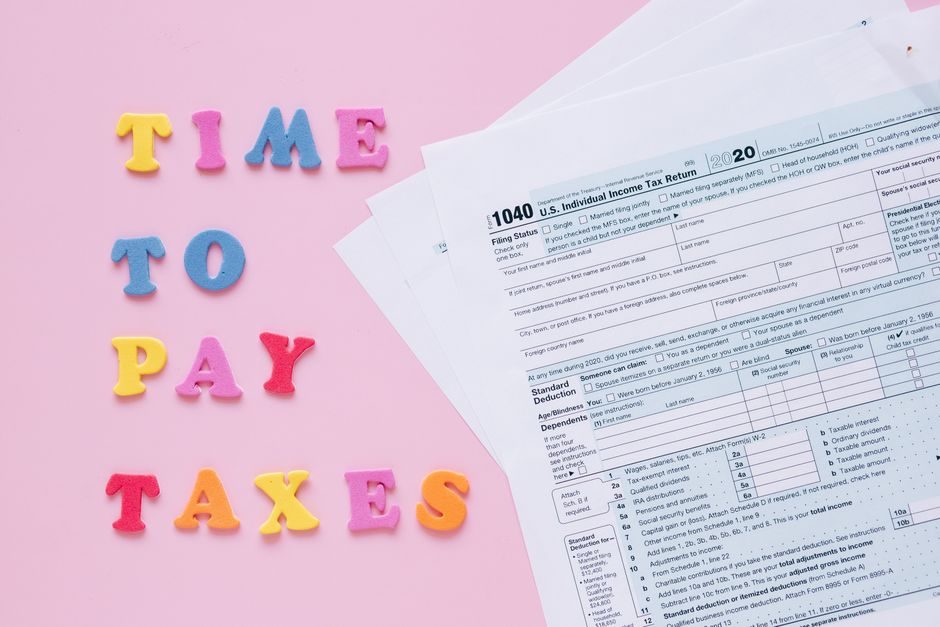
Map out your tax year early to anticipate which accounts will lower your liability. Prioritize maximizing contributions to tax-advantaged accounts when possible and time deductible expenses to where they matter most. Maintain receipts and digital records to simplify filing and audit readiness.
Understand how capital gains and losses interact with your annual tax bill. Harvest losses deliberately when the market declines, but avoid selling winning assets to preserve upside potential. Use tax-loss harvesting as a tool, not a reflex.
Keep a simple tax calendar that flags deadlines for estimated payments, filing, and document collection. This reduces frantic last-minute scrambling and helps you plan for cash flow.”
- Estimate quarterly tax payments
- Track deductible expenses
- Monitor capital gains strategy
- Keep digital receipts
Technology and automation
Smart budgeting tools
Use budgeting software to categorize expenses automatically and highlight spending anomalies. Link accounts to get a real-time view, then set alerts for unusual charges or approaching budget limits. A monthly review of trends helps you curb wasteful habits and reallocate funds to savings or debt payoff.
Compare tools by security features, ease of use, and how well they export records for taxes. Prefer platforms that offer encrypted data storage and clear permission controls. Start with a free tier to test workflows before committing to paid features.
Implement automation for recurring tasks such as debt payments or investment transfers. Set rules that align with your cash flow and risk comfort, and review them after big life changes.
- Automate savings
- Enable alerts
- Export-ready data
- Secure platforms
Global markets and risk management
Currency and rate risk
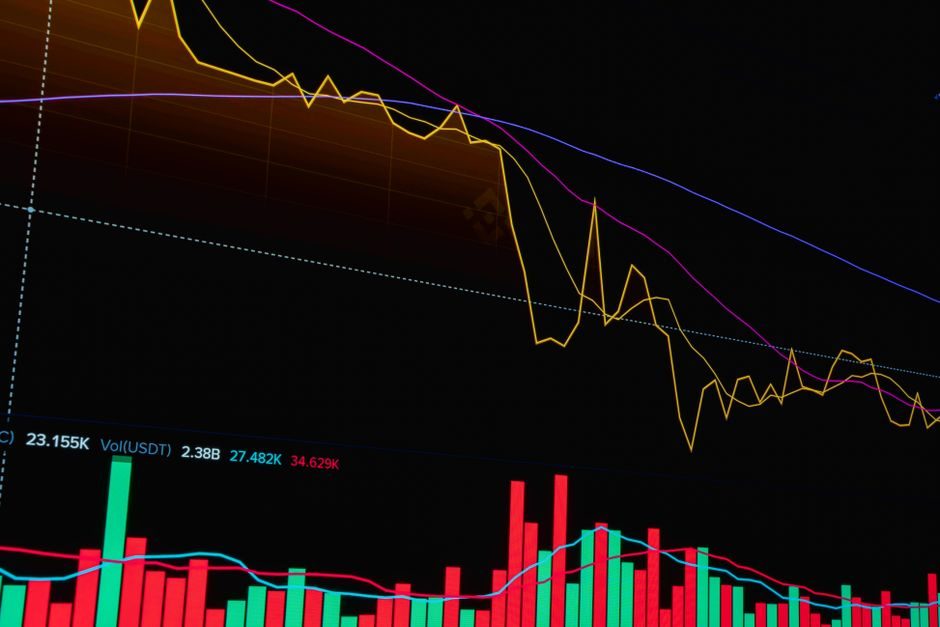
International exposure adds diversification but also currency risk. Use hedges or currency-hedged funds if you have significant non-domestic investments, and monitor how exchange rates affect returns after fees. Currency movements can erode or amplify gains independently of market direction.
Incorporate scenario planning: imagine a sudden rate shift and map how your portfolio would respond. Adjust allocations so that interest-sensitive assets don’t dominate the risk profile during volatile periods.
Maintain a cold-reserve cash buffer to weather market stress without forcing asset sales. This supports a calmer, more rational approach during shocks.
- Consider hedged exposures
- Run currency scenarios
- Keep cash reserve
Frequently asked questions
Is Décotidien France essential for a personal finance reader?Décotidien France offers a snapshot of financial topics and market sentiment in France, which can inform readers about cross-border investment considerations, currency effects, and regulatory shifts. For a reader focused on practical finance, the value lies in understanding how French media coverage can influence expectations, risk appetite, and timing of decisions. Use it as a supplementary reference, not a sole guide.
How should a reader use international media when budgeting?Treat international coverage as one input among many. Compare stories with local financial data, watch for changes in interest rates, and translate broad themes into concrete actions like reviewing debt repayment plans or adjusting allocations. Keep a simple checklist to avoid overreacting to headlines and maintain steady progress toward goals.
What are common mistakes when incorporating foreign information?One common mistake is overreacting to short-term news without checking its relevance to your situation. Another is assuming a foreign market will perform the same as domestic markets. Verify the source, assess credibility, and map insights to your own cash flow, risk tolerance, and investment horizon.
When should I consult a professional about cross-border issues?If you face complex tax implications, residency changes, or large international transfers, a qualified advisor can help. They can translate global developments into a tailored plan, estimate tax impact, and suggest a practical sequence of steps that aligns with your long-term goals.
Practical next steps for cross-border planning
Translate what you learn from Décotidien France into your own budget and investment plan by noting which topics affect your cash flow and risk levels.
Take one concrete action you can complete this week, such as adjusting a category in your budget, rebalancing a small portion of your portfolio, or reviewing your tax filing readiness.
Add Bangladesh News as a preferred source on Google


