
How Schweiz events fit your money plan this week
A practical explainer for Bangladeshi readers: how to use Swiss events and listings to inform budgeting, investments, and banking decisions this week.

Many readers wonder how local events in another country could affect personal finances. This explainer shows practical steps to leverage Swiss events to inform budgeting, risk assessment, and investing decisions. By linking event calendars to cash flow, you can spot opportunities and avoid costly missteps.
First, understand what kind of events matter for money choices, from business conferences to industry meetups and economic briefings. Second, learn how to track costs, compare options, and convert Swiss franc implications for your wallet. Third, apply what you learn to your own plans, whether saving, investing, or planning travel or education expenses.
Finally, we’ll cover concrete ways to use event information without overreacting: small, steady actions that compound over time, such as tracking expenses and validating investment ideas against real-world data.
- Swiss events can inform budgeting and investment ideas when you treat the information as prompts for further research, not verdicts.
- Track costs carefully and compare potential value to your financial goals before acting.
- Use events to test ideas in small, controlled ways and document what works for your personal plan.
Basics: what a Swiss event can mean for your finances
Understanding event types
Event types vary from public lectures to private industry briefings. Each kind offers different levels of insight into market trends and policy shifts that may affect investments or banking choices. Veranstaltungen in der Schweiz diese Woche is a topic you can explore for practical budgeting angles.
Start by noting whether an event is informational, networking, or sales oriented, then map how that format might influence costs and value for your situation.
Keep a simple log: date, venue, ticket price, and the main takeaway you expect to gain for your financial plan.
- Informational events: cheap, high-value learning
- Networking meetups: potential partnerships
- Industry briefings: data-driven insights
- Sales-oriented events: beware of upsells
- Online vs. in-person: cost versus value
Estimating costs and benefits
Create a quick budget for travel, entry fees, and time away from work. Even small events can add up, so track every expense and opportunity cost.
Compare the price of attending with the potential learning you gain, such as a new method for evaluating investments or a useful contact.
Use your own financial goals to decide if the event is worth it, rather than following a friend’s recommendation.
- Total cost of attendance
- Expected learning value
- Opportunity costs
- Post-event follow-up actions
- Budget alignment
How to find credible events and decide fast

Sourcing reliable calendars
Use official tourism boards, chamber of commerce, and industry associations as primary sources for event calendars. They tend to have clearer agendas and fewer upsells than random listings. Aktuell News Schweiz helps you stay informed about changes that may affect your savings plans.
- ☐ Bookmark 3 trusted calendars
- ☐ Check for updates within 48 hours of booking
- ☐ Note refund and ticket-transfer rules
Cross-check dates and venues on multiple sources to avoid last-minute changes that can throw off travel budgeting or ticket refunds.
Prioritize events that publish an agenda or speaker list, which signals tangible content rather than marketing fluff.
- Official calendars
- Industry associations
- Verified speaker lists
- Clear agendas
- Refund policies
Making quick financial calls
When you spot an event, ask: does the cost fit my monthly budget without compromising essential expenses? If not, look for cheaper alternatives or free online resources.
Assess whether the event could yield a useful contact, a new tool, or a market signal you can verify later with data.
Record the decision criteria you used so you can apply it to future events without bias.
- Budget fit
- Potential value
- Verification plan
- Decision criteria
- Follow-up plan
Options to fit events into your broader plan
Using events to test investment ideas
Some Swiss events discuss regulatory changes or sector trends that can hint at investing themes. Treat these as prompts for further research, not as buy signals. Firma eintragen in der Schweiz can matter if you consider business milestones or cross-border banking.
- Identify a trend from an event
- Limit initial change to small amount
- Summarize what data would confirm or refute the idea
Use a small, clearly defined test: allocate a tiny portion of a hypothetical or real portfolio to simulate potential outcomes before acting.
Document why you did or did not act, including what data was missing and how you will validate next time.
- Scan for trends
- Limit initial exposure
- Record reasoning
- Plan for validation
| Option | Pros | Cons |
|---|---|---|
| Attend event and apply small test | Direct insight, potential network | Costs time and money |
| Follow online summaries | Low cost, quick | Less depth, risk of missing context |
| Skip events and rely on internal data | Certainty | Missed market signals |
Smart budgeting from event costs
Treat event spending as part of your personal finance plan, not an isolated expense. If a trip is involved, record travel costs as a separate line item in a savings goal.
Use recurring events as milestones to adjust your monthly budget, such as setting aside a fixed weekly amount for education or professional development.
Review past event spending quarterly to see where you can cut or reallocate funds.
- Treat as budget line item
- Milestones for annual plan
- Quarterly reviews
- Adjustments as needed
Don’t chase every new trend; instead pick 1-2 ideas to test and measure their impact over a set period.
Pitfalls to avoid when using events for finance

Overestimating immediate value
Events can offer ideas but rarely deliver instant profits. Treat takeaways as future actions rather than guaranteed outcomes. Kleinanzeige aufgeben in der Schweiz may be a small but useful way to test market demand for a service.
Don’t chase every new trend; instead pick 1-2 ideas to test and measure their impact over a set period.
Keep expectations realistic to avoid overcommitting time and money.
- Limit ideas tested
- Set a measurement period
- Avoid trend chasing
- Separate ideas from actions
Hidden costs and refunds
Look beyond the ticket price to travel, accommodation, and potential visa or documentation needs if the event is abroad.
Check refund windows and transfer rules; last-minute changes can erase any planned savings, especially if you cannot resell a ticket.
Plan for currency fluctuations if the event requires payment in a different currency.
- Travel and accommodation
- Refund windows
- Currency considerations
- Ticket transfer rules
Budgeting with event data
Assess event costs clearly
Identify all potential expenses tied to Swiss events, from travel to incidental costs. Estimate each item with conservative margins to avoid surprises. Use a simple worksheet to track planned versus actual spending over the week. Traueranzeigen in der Schweiz
- Plan: set a ceiling for event-related spending each week.
- Track: log every expenditure and reconcile at week end.
- Adjust: reallocate funds if a bigger event comes up later in the month.
Forecasting helps avoid cash flow gaps when events cluster back-to-back. Prioritize essential spends and set a monthly cap on discretionary activity related to events.
Keep receipts and review them within a week of the event to refine future budgeting. Small costs add up and can skew weekly targets if left unchecked.
- List all costs before you commit
- Create a weekly budget cap
- Track receipts and adjust next time
Regulatory updates and investing
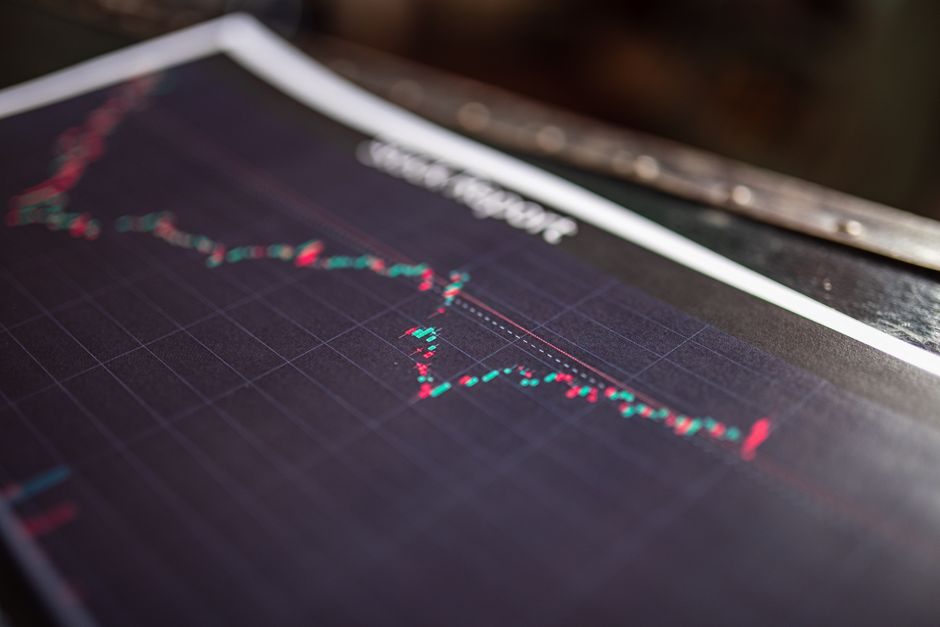
Monitor regulatory shifts for Swiss markets
Regulations around cross-border investing and savings accounts in Switzerland can affect returns and tax treatment. Stay aware of changes that alter withholding taxes or account reporting requirements. This awareness helps you adjust investment choices promptly.
When rules tighten, diversify across instruments to avoid concentration risk in one taxed or regulated category. Use a simple rule: if one holding becomes more complex legally, balance with a straightforward alternative.
Regular reviews of your tax status and reporting obligations prevent last‑minute complications around year-end. A small monthly check can save bigger headaches during declarations.
- Understand withholding rules
- Watch cross-border rules
- Review tax status quarterly
Creating a Swiss event plan
Build a weekly event calendar
Create a simple calendar that marks every relevant Swiss event you might attend this week. Include what you’ll gain financially or professionally from each. Use color codes to distinguish high impact from casual activities.
- List events with dates and costs.
- Assign expected benefit for each.
- Review results and adjust next week.
If a single event could yield a meaningful return, plan a backup option in case attendance is blocked or costs rise. This reduces the risk of losing momentum.
Review past event outcomes to refine future entries. Note what worked, what didn’t, and how you could adjust for better financial alignment.
- Define high-impact events
- Plan backups
- Track outcomes for learning
Avoiding common missteps with events

Guard against overcommitting funds
Avoid pouring too much money into a single week of events, especially when outcomes are uncertain. Use a diversified approach so a single miss doesn’t derail your overall plan. Keep liquidity for unexpected costs.
Set strict cutoffs for spending when plans shift or prices rise. A flexible budget helps you adapt without breaking your financial rhythm.
Document decisions after each event to learn what to repeat or stop. Concrete notes turn experience into steadiness.
- Diversify weekly spends
- Maintain liquidity
- Record post-event learnings
Frequently asked questions
How can I estimate the cost impact of Swiss events on my monthly budget?Start with a central week and map out every potential expense: travel, meals, entry fees, and incidental costs. Then add a small cushion for surprises. Compare this total to your weekly spending target and adjust other discretionary spending accordingly.
Are there tax implications for attending events in Switzerland?Some event costs may be deductible if they relate to work or professional development, but rules vary by country and purpose. Keep thorough records and consult local tax guidance to determine what you can claim.
What makes an event worth attending financially?Value comes from tangible takeaways: new opportunities, networking, or knowledge that improves your money plan. Assign a conservative expected benefit and verify it against the cost before committing.
How often should I review my event plan?Review weekly to catch shifts in prices or schedules. A brief check helps you adjust allocations and prevent drift from your financial goals.
Final steps for a practical week
A practical week blends selected events with clear budgeting, tax awareness, and a plan that keeps investments resilient. The aim is to turn attendance into outcomes that support your broader money goals, not just experiences. Use the calendar as a living guide and revisit it daily.
Develop a simple two-column plan for the coming week: costs on one side, benefits on the other. This helps you decide where to invest time and money without compromising liquidity or savings targets.
Add Bangladesh News as a preferred source on Google


