
Practical money moves: a clear English guide for digital finance readers
A practical how-to for personal finance readers in Bangladesh portals: steps, pitfalls, and real-world tips, with a Danish news angle via seneste nyheder Danmar

You want reliable, actionable steps you can take now. This guide translates core finance ideas into clear actions you can apply to budgeting, saving, and investing. You’ll learn the basics, then practical options and warnings so you make smarter money choices.
The guide uses everyday examples and concrete steps, not hype. Expect direct guidance on setting goals, choosing accounts, and evaluating new opportunities. You’ll also see where a fast-moving news resource like seneste nyheder Danmark fits into your financial picture.
By the end, you’ll have a straightforward plan: what to do first, how to compare choices, and how to avoid common traps when managing money online and offline.
- This guide offers practical steps for managing money, from establishing a stable cash flow to selecting accounts and using news wisely. It covers risks, costs, and automated planning to build a safer financial base. Readers will learn how to evaluate options and avoid common traps.
- A practical framework helps you decide when to save, invest, or spend. You’ll see how to balance liquidity with growth, and how to use current events to refine your plan without overreacting.
- Tools and routines translate theory into action. The focus is on clear steps, not hype, with real-world examples to guide everyday decisions.
- Linking to seneste nyheder Danmark and other Danish resources can provide context for cross-border considerations that affect personal finance decisions.
Foundations for personal finance
Assess your cash flow
Start by listing monthly income and fixed expenses. Track discretionary spending for a full picture of where money goes. Use this snapshot to set a realistic savings target and reduce waste. seneste nyheder Danmark provides current coverage that can inform risk awareness for Danish-related investments.
- Know your monthly cash flow before investing
- Build an emergency fund you can access quickly
- Adjust goals as income or expenses shift
- Create a simple monthly budget that you update weekly.
- Identify at least one expense you can cut each month.
- Set a concrete emergency fund goal you can reach in 6–12 months.
Set short-term goals
Define what you want to change in the next 90 days. Whether paying off a debt, saving for a car, or building a starter investment pot, a clear target improves focus. Break the goal into weekly tasks and track progress.
This slice of time helps you test routines and learn what works. If you fail to meet a weekly target, reallocate effort or adjust expectations to stay on track.
Regular review keeps your plan relevant. Align current behavior with longer-term aims and refine as needed.
- Choose one measurable target
- Assign weekly tasks and review progress
- Adjust plans when life changes
Navigating news and data

Use current news to inform, not drive
News can illuminate risks and opportunities, but it should not alone dictate trades. Verify how developments affect your financial plan before acting. Treat headlines as data points, not directions. Discovering arrangementer i Danmark can help you plan for local financial events and savings opportunities.
Incorporate a regular information habit, like weekly wrap-ups, to avoid impulsive moves triggered by noise.
Balance caution with curiosity; use news to adjust plans where sensible, not as a trigger for panic.
- Check relevance to your goals
- Avoid reactionary bets on headlines
- Re-evaluate allocations after major events
Source reliability and biases
Evaluate where data comes from and how it could be biased. Prefer established methods and cross-check with independent sources where possible. Understanding bias helps you make steadier choices.
Question numbers that seem outliers and look for corroboration across multiple outlets. Use primary sources when available.
Keep a sceptical but open mind, filtering sensational claims from real signals.
- Assess source credibility
- Cross-check data
- Watch for confirmation bias
Practical tools and accounts
Choosing accounts wisely
Different accounts serve different goals: a high-yield savings account for liquidity, and a basic checking for daily needs. Compare features like fees, accessibility, and interest where available. Choose options that fit your spending pattern and savings pace. An up-to-date oversigt over lokale firmaer i Danmark helps compare service providers relevant to personal finance in Denmark.
- ☐ Select goal-based accounts
- ☐ Review terms and limits
- ☐ Enable alerts
- ☐ Monitor monthly activity
Ask about minimums, withdrawal rules, and customer support quality. The cheapest option is not always easiest to use, which erodes value over time.
Set up alerts for balances and recurring charges to stay on top of finances without manual tracking.
- Match account type to goal
- Assess fees and accessibility
- Use alerts for consistency
| Option | Pros | Cons |
|---|---|---|
| High-yield savings | Low risk, easy access | Lower returns over time |
| Index funds | Broad market exposure | Market risk in downturns |
| Robo-advisors | Convenience | Fees vary by provider |
Digital security habits
Keep login details secure and use unique passwords. Enable two-factor authentication where possible and review access to linked services periodically. Small security improvements reduce risk without complicating daily use.
Guard against phishing by checking URLs and sender details before entering credentials. If something feels off, stop and verify through a separate channel.
Back up important data and keep software updated to close vulnerabilities that attackers exploit.
- Use strong, unique passwords
- Enable 2FA
- Verify links before entering data
- Regular backups and updates
Watch for churn fees or penalties that discourage moving funds or closing accounts.
Taxes, fees, and planning pitfalls
Common cost traps
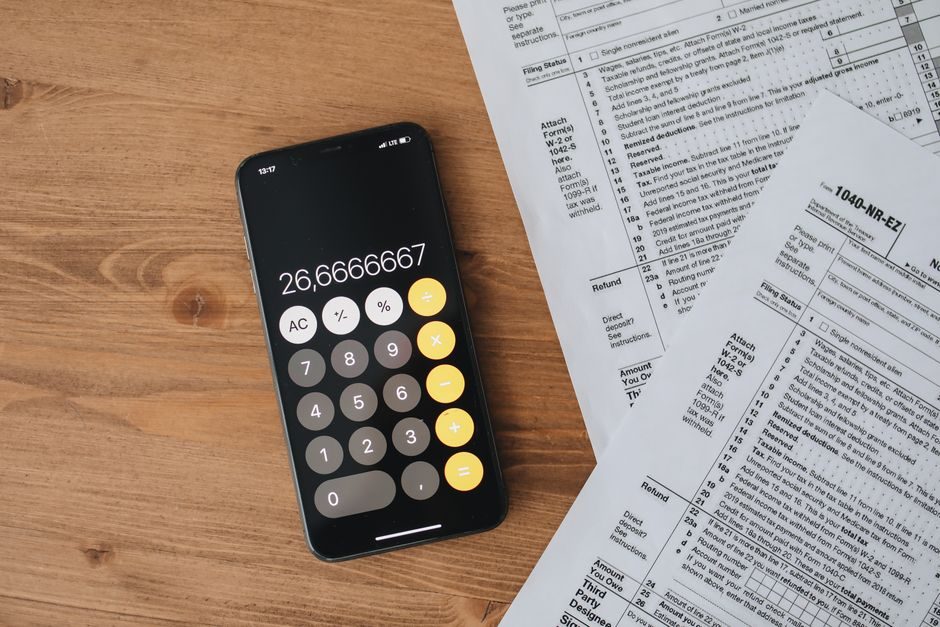
Always check for hidden fees in investment products, payment apps, and account maintenance. Small charges can add up over time and erode returns if not monitored. Compare total costs, not just headline rates. If you want to advertise locally, opret en annonce i Danmark starts your process and ensures proper placement.
Watch for churn fees or penalties that discourage moving funds or closing accounts. These can quietly erode the value of your plan.
Understand tax implications of your investments and savings to keep more of what you earn.
- Identify recurring fees
- Look for penalties
- Consider tax impact
Automated planning basics
Automation helps consistency. Set up automatic transfers to savings and investments, and schedule regular reviews to adjust as life changes. Automation reduces decision fatigue and keeps you on track.
Keep a simple record of changes to avoid drift from your goals. Review quarterly and adjust as needed.
Use tools that summarize performance without overwhelming you with data.
- Automate essential tasks
- Review and adjust periodically
- Use clear performance summaries
Advanced investment ideas
Diversified portfolio concepts
Start with a clear asset mix that spreads risk across stocks, bonds, and cash. Use a principled approach to rebalance at set intervals, not in reaction to every market swing. Concrete examples include a 60/30/10 split for a risk-tiered plan and automatic rebalancing for drift control. dødsannonce online i Danmark is commonly visible in local notices and community announcements.
- Overreacting to short-term drops—keep a plan and rebalance on schedule
- Overconcentration in a single sector—diversify across multiple asset classes
- Ignoring costs that erode returns over time
Consider alternative assets such as real estate investment trusts or broad commodity exposure to counterbalance equities. These provide different return drivers and can cushion volatility. A small, regular allocation helps you stay engaged without overcommitting to volatile bets.
Be mindful of costs and tax implications when adding new positions. Compare expense ratios, trading costs, and tax efficiency before committing. When in doubt, start small and scale as you learn.
- Set a target time horizon
- Automate contributions
- Rebalance annually
- Track outcome, not just gain
- Avoid chasing hot tips
Debt management strategies
Prioritize high-interest debt
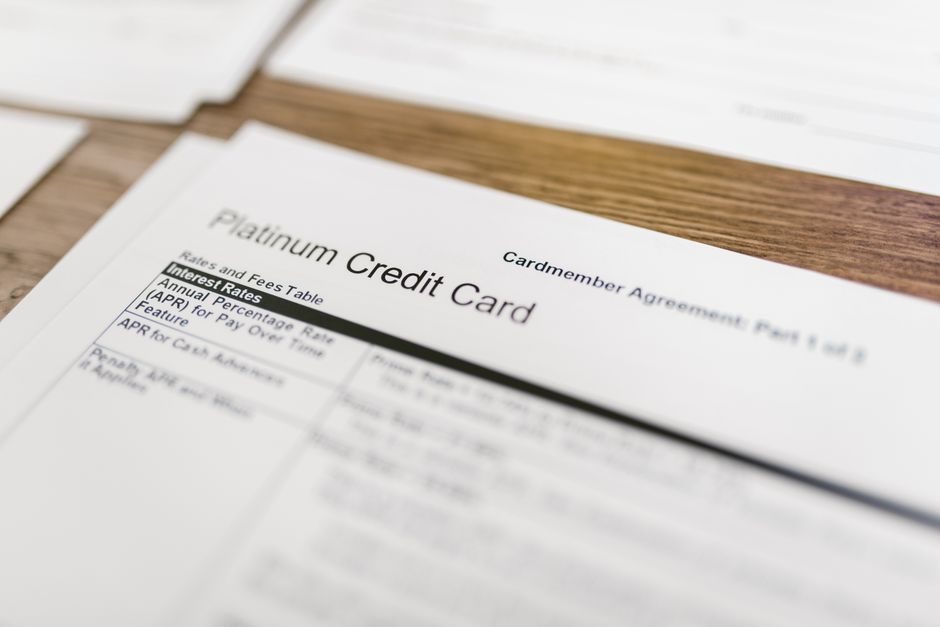
Tackle the highest rate balances first to reduce total interest paid over time. Use the avalanche method to structure payments so your debt declines steadily. A practical step is to list all balances with rates and minimums, then allocate extra payments to the most expensive loan.
If possible, negotiate lower interest or consolidated payments to simplify schedules and reduce monthly burden. A lower monthly payment can free up cash for emergencies or savings. Avoid missing payments, which hurts credit health and can trigger fees.
Keep essential expenses predictable with a basic budget that excludes discretionary spends during peak debt periods. Build a small rainy-day fund to prevent new debt when unexpected costs arise. Revisit the plan every three months to adjust targets.
- Avalanche payment order
- Consolidation as tool
- Emergency fund basics
- Regular review cadence
- Avoid new debt under pressure
Credit building and monitoring
Establish healthy credit habits
Open a basic, well-managed credit account and keep utilization low. Aim to use only a small portion of your available limit each month and pay in full if possible. This establishes payment reliability and space for future borrowing.
Diversify credit types cautiously, adding one or two types only when you have a stable budget and repayment plan. Timely payments across accounts build a stronger history without stretching finances.
Monitor your credit regularly and dispute any inaccuracies promptly. Review statements for unauthorized activity and set up alerts to catch potential fraud early.
- Keep utilization under 30%
- Pay on time every month
- Limit new credit inquiries
- Check statements for errors
- Set up account alerts
International finance considerations

Cross-border payments and costs
Understand transfer fees, exchange rates, and timing when moving money overseas. Compare options like bank transfers, specialized money-service providers, and digital wallets to minimize costs.
Use a predictable exchange rate strategy if you frequently convert currencies. A practical approach is to transfer larger sums less often rather than many small moves, reducing per-transfer costs.
Be aware of local banking rules and tax implications that could affect your funds or reporting. Plan ahead for documentation and timing to avoid delays.
- Compare fees and rates
- Choose transfer frequency wisely
- Watch tax and reporting rules
- Plan documentation in advance
- Monitor transfer timelines
Frequently asked questions
What is the first step to improving my personal finances?Begin with a practical budget that captures income, essential expenses, and a small savings target. Automate transfers to separate accounts so you commit to saving without relying on willpower alone.
How can I reduce debt without cutting every extra expense?Prioritize high-interest debts and set a fixed monthly payoff plan. Small, regular payments on time steadily reduce total owed and improve cash flow over time.
Should I worry about credit scores if I rarely borrow?Yes. Even small lines of credit influence your score. Use credit for necessities, keep utilization low, and pay in full to demonstrate reliability.
When might international transfers be advantageous?If you regularly pay for education, family support, or business abroad, compare all costs and timing. Choose a method that minimizes total fees and delivers funds promptly.
Conclusion
In practical terms, building financial habits matters more than chasing complex strategies. A simple budget, regular savings, and disciplined debt reduction create momentum that compounds over time. Start with the basics and expand gradually as confidence grows.
With consistent tracking and small, deliberate adjustments, you turn intentions into measurable results. The next step is to add one new element—credit monitoring, a debt payoff target, or an international transfer plan—then refine it as you learn.
Add Bangladesh News as a preferred source on Google


