
Smart money steps: practical planning for personal finance
Clear, practical guidance for budgeting, saving, investing, and managing debt, with concrete examples and a finance-focused lens on a local information resource

When you start managing money, even small steps add up. This article shows a practical path from basics to options, with concrete actions you can take this week. You’ll learn how to assess your finances, pick sensible products, and avoid common oversights.
By framing decisions around real-life costs, risks, and timelines, you’ll see where to cut waste and where to invest for future stability. The guidance is neutral, actionable, and grounded in everyday scenarios that readers understand. Expect clear steps, simple checks, and reminders to tailor plans to your income and goals.
We’ll also connect indirect financial decisions to a local information habit—how staying informed about community notices and services can affect budgeting, timing, and potential savings. This approach helps you protect your financial health while staying aware of nearby resources.
- Build a practical budget and emergency fund first, then explore low-cost investing and debt reduction. Compare accounts, monitor fees, and automate where possible. Use conservative estimates and fixed-rate options to reduce risk. Track spending and adjust plans as life changes.
- Invest with a clear goal, stay diversified, and keep costs down. An emergency fund supports disciplined investing and avoiding high-interest debt.
- Prioritize debt reduction while building savings, and ensure your credit health stays intact. Use reminders and automation to avoid missed payments.
- Stay vigilant about fees, scams, and mis-selling; prefer transparent products with simple terms. Periodically reassess plans as income and life circumstances shift.
Basics you can master
Goal setting for budgets
Start with a realistic monthly budget based on your after-tax income and fixed costs. Track one category at a time to avoid overwhelm, and adjust as your bills or income change. Concrete targets help you see progress and stay motivated. funeral notices in Edinburgh
Consider using a simple envelope or spreadsheet method to separate spending. Automatic transfers to savings reduce the temptation to spend, and a small buffer protects you from unexpected costs.
Regularly review your spending against your plan so you can adapt quickly rather than letting small leaks grow into debt.
- Set a monthly savings target you can actually hit
- Automate transfers to a savings or sinking fund
- Reduce discretionary spend by a fixed amount
- Review and adjust once a month
Debt and savings balance
Prioritize high-interest debt but keep a minimum savings buffer. If you can meet both, allocate a fixed portion to savings first because interest compounding helps over time. This balance keeps you liquid while reducing expensive borrowings.
Explore small, steady repayments that fit your cash flow rather than large, sporadic payments. Consistency matters more than occasional big pushes.
Track your debt stack by interest rate and payoff date, then reassess quarterly as rates or salaries change.
- List debts by rate and payoff order
- Set automatic repayments
- Keep a small emergency fund
- Revisit this plan every few months
How to grow your funds
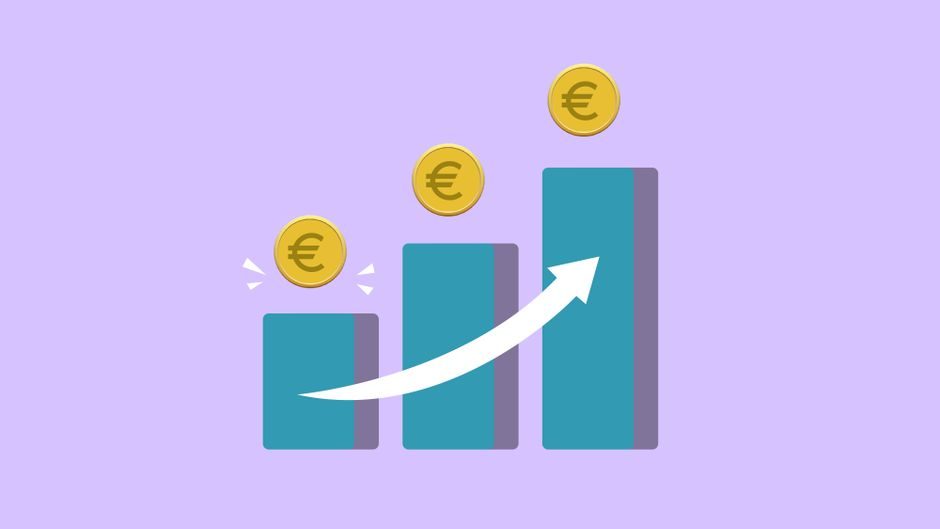
Investment basics
Begin with a clear objective and a time horizon before choosing investments. For most readers, a diversified mix of low-cost funds reduces risk while preserving growth potential. Avoid attempting to time the market and focus on steady, long-term returns. Edinburgh Daily headlines
Understand risk tolerance and choose a simple asset mix aligned with how long you plan to invest. Use automatic rebalancing or periodic reviews to keep allocations aligned with goals.
Keep costs in check by favoring broad-market options with low fees. Small fee differences compound over years and affect totals more than you might expect.
- Choose diversified, low-cost funds
- Set a time horizon you can stick to
- Rebalance periodically
- Watch fees and taxes
Emergency funds and liquidity
An emergency fund acts like financial insurance. Aim for three to six months of essential expenses and keep it in a readily accessible account. This cushion reduces the need for expensive credit during unexpected events.
Regularly update the target as your life changes—new job, higher rent, or children in the home. A predictable update schedule helps you stay protected.
Automate a small monthly transfer to your fund to prevent neglect and keep it growing even when other priorities demand attention.
- Define three to six months of expenses
- Keep the fund in accessible deposits
- Automate contributions
- Review adequacy with life changes
Where to find practical options
Banking choices and costs
Compare basic account features like monthly fees, ATM access, and overdraft protections. A plain-English list helps you spot value beyond flashy promotions. Your main goal is reliability and predictable costs. publish local events in Edinburgh
Look for basic accounts with low or no monthly fees, reasonable withdrawal limits, and straightforward terms. Factor in occasional overdraft costs as part of total ownership.
Ask about bundled services that you actually use, so you avoid paying for features you don’t need.
- Compare fees and limits
- Choose simple, reliable accounts
- Ask about bundled services
- Avoid high-pressure offers
| Option | Pros | Cons |
|---|---|---|
| Index funds | Low cost; broad exposure | Market risk; patience required |
| Bond funds | Stable income; diversification | Interest rate sensitivity |
| Cash-backed funds | Liquidity; safety | Lower growth potential |
Credit basics and safety
Credit products should match your needs and capacity to repay. Start with a clear plan to use credit sparingly, avoiding revolving debt that compounds quickly. Maintain a solid payment history to keep costs low and credit scores stable.
Use tools to track due dates and alert you before payments are due. A little structure reduces late fees and helps you stay within budget.
When possible, prefer fixed-rate or capped-rate products to minimize surprise increases in payments over time.
- Keep utilization moderate
- Set payment reminders
- Stick to fixed-rate when feasible
- Monitor your credit report periodically
Track actual spending for two to three months before fixing rigid targets.
Navigating common pitfalls

Overoptimistic budgeting
Budgets fail when they assume perfect income and minimal expenses. Build in conservative estimates for irregular costs like medical fees or trips. A cushion avoids forced borrowing when plans slip. Edinburgh business listings
Track actual spending for two to three months before fixing rigid targets. This helps you see what shifts frequently and where you can cut or reallocate.
Use a rolling forecast so you adapt to changes without derailing the plan.
- Use conservative estimates
- Track real spending
- Keep a flexible forecast
Ignoring the cost of debt
Carrying debt without a payoff plan wastes money on interest and reduces financial flexibility. Create a minimum-payment baseline and accelerate payments when windfalls occur. Even small extra amounts make a difference over time.
If rates rise, reassess affordability quickly and adjust repayments to keep the plan intact.
Keep debt and savings plans coordinated so you don’t chase growth while ignoring interest costs.
- Set a minimum payment
- Plan accelerated payments
- Revisit plans after rate changes
- Coordinate debt and savings
Tax-aware investing
Minimize tax impact with choices
Begin with tax-efficient accounts and hold assets long enough to benefit from preferential rates. Use tax-advantaged accounts for retirement contributions where available, and balance withdrawals to avoid higher brackets. Consider tax-loss harvesting to offset gains without selling essential holdings. Explore local classifieds in Edinburgh to understand how residents sometimes fund community initiatives, which can influence budgeting decisions when planning large expenses.
Explore how capital gains, dividends, and interest are taxed differently. Favor index funds or tax-efficient ETFs that minimize annual distributions. Keep receipts and understand cost basis to simplify future reporting.
- Choose tax-advantaged accounts for long-term goals
- Prefer tax-efficient funds over high-turnover portfolios
- Maintain records to ease year-end reporting
- Coordinate withdrawals to stay in lower tax brackets
Retirement planning

Define a realistic retirement goal
Start with a clear target for when you’ll retire and how much income you’ll need. Map this to a savings rate, expected inflation, and likely returns on a diversified mix. Revisit assumptions annually as life circumstances change.
- Define target retirement age and income need
- Schedule automatic contributions
- Revisit assumptions yearly
Build a step-by-step plan that scales contributions as income grows. Use automatic transfers to ensure consistent saving, and adjust for bonuses or windfalls. Track progress with a simple spreadsheet or budgeting app.
- Set a concrete retirement age
- Estimate annual spending in retirement
- Automate regular contributions
- Review every year and adjust
Protecting wealth and risks
Guard against sudden shocks
Insurance is a front-line defense against unexpected events, from health issues to property damage. Review coverage to avoid gaps that could derail a plan. Compare policies for essential features like deductibles and payout timelines.
- Insurance cushions financial shocks
- Emergency fund provides liquidity
- Regular policy reviews prevent gaps
Build a contingency fund that covers several months of living expenses. This reduces the need to liquidate investments during market downturns. Consider disability and life insurance where appropriate to protect dependents.
- Check health, life, and property coverage
- Keep an emergency fund accessible
- Avoid underinsurance by matching needs to policy limits
- Review disability coverage if you rely on income
Currency and international moves

Handling cross-border finances wisely
When moving money across borders, compare fees and exchange rates rather than defaulting to the first option. Small differences can add up over time, especially with larger transfers. Use a reputable service that provides a clear fee structure and timely settlement.
Diversify currency exposure if you have expenses in multiple countries. Consider holding a portion of savings in a currency you regularly spend to reduce transfer costs. Stay informed about tax reporting for foreign accounts and income.
Be mindful of timing: volatile markets can alter the real cost of transfers. Plan ahead for tuition, mortgage payments, or business expenses that require foreign currency.
- Shop for better FX rates
- Maintain a small foreign-currency reserve
- Understand tax reporting for overseas income
- Time large transfers to minimize costs
Frequently asked questions
What is tax-efficient investing, and why does it matter for everyday accounts?Tax-efficient investing focuses on minimizing the taxes paid on growth, income, and capital gains. It matters for everyday accounts because small annual tax differences compound over time, improving your net returns. Choosing tax-efficient funds, utilizing tax-advantaged accounts, and planning withdrawals can reduce the year-to-year tax bill without compromising growth.
How can I start a retirement plan if I’m new to investing?Begin with the simplest path: set a monthly contribution to a retirement account that your country recognizes, ideally with automatic transfers. Use a broad, low-cost index fund as a core holding, and gradually add diversification. Reassess the plan annually to ensure it still fits projected needs and life changes.
What safeguards help protect wealth against shocks?A sufficient emergency fund, appropriate insurance coverage, and diversified investments are the primary safeguards. Keep exposure to any single risk modest, and regularly compare policies for cost and payout terms. Rebalancing helps maintain risk at a level you’re comfortable with during market swings.
When moving money internationally, where should I start?Begin by comparing transfer fees, exchange rates, and transfer speed among reputable providers. Plan large transfers for times when rates are favorable and avoid frequent small transactions that add up in costs. Keep tax implications in mind for foreign income or accounts.
Putting the plan into action
The path to solid personal finance is consistent behavior, not dramatic moves. Track income, control expenses, automate savings, and keep costs low through simple, reliable investments. You’ll build momentum even when markets shift.
Take the next step by choosing one concrete action today: set up automatic transfers to a retirement or investment account, and schedule a quarterly review. This small structure turns intentions into progress and keeps you accountable.
Add Bangladesh News as a preferred source on Google


