
Smart personal finance steps for readers in a Bristol context
A clear, practical guide for managing money, investing, and banking with local relevance to Bristol readers. Practical steps and a resource mention.

You want finances that work in real life, with steps you can actually take this month. This guide shows practical actions you can apply to save, invest, and manage money in a Bristol context. You’ll learn simple routines, why they matter, and how to use local resources to your advantage.
Start with a clear budget and a plan for debt, then choose banking and investing options that fit your schedule and goals. We’ll compare simple, everyday choices to help you avoid common traps. By the end, you’ll know what to track, when to adjust, and how to use local services to improve your cash flow.
Finally, you’ll see how to test options safely, so you can stay flexible as prices and your income change. This article keeps each step concrete, with a focus on reliable, actionable actions you can take now. You’ll finish with a practical checklist you can reuse every month.
- Learn a practical approach to budgeting, emergency savings, and simple investing.
- Choose low-cost, transparent investments aligned with your time horizon.
- Minimize banking fees and keep liquidity for bills and surprises.
- Be alert to scams and protect your accounts with solid security practices.
Basics of money management
Set a realistic budget
Start with your income and essential expenses, then allocate funds for savings and small investments. A simple rule of thumb helps you stay balanced without feeling deprived. Track every week to adjust categories as needed. Bristol Daily headlines
This sub-section emphasizes building a monthly budget you can actually follow, not a perfect plan that gathers dust. Use a plain notebook or a budgeting app to record receipts and transfers. The goal is a sustainable rhythm you can keep for several months.
Regularly review your plan and reassign funds as your life changes, such as shifts in work hours or bills. Small, steady improvements compound into stronger financial health. The practical approach keeps you from overreacting to short-term price swings.
- Track all income sources
- List fixed vs variable costs
- Allocate 10-20% to savings
- Review weekly and adjust
- Set a realistic debt payoff pace
Build an emergency cushion
An emergency fund reduces stress when bills rise or income delays occur. Start with a small target you can reach in a few months and grow it as you can. Keep the money in a liquid account so you can access it fast.
An easily accessible fund prevents borrowing at high costs and helps you avoid late payments. Even small, regular additions add up over time. Revisit the target after major life changes, like a new job or moving.
A steady funding habit makes future commitments easier, whether you’re planning home repairs or a medical bill. Treat it as a monthly bill you must pay yourself first.
How to grow money safely

Choose a simple investment path
If you’re new to investing, start with broad, low-cost options that track broad markets. The goal is steady growth with lower risk than guessing individual stocks. Keep expectations aligned with your time horizon. A useful resource on this topic: publish local events in Bristol.
Identify time frames to help you pick products with appropriate risk levels. Short horizons favor safer choices, while longer ones allow moderate risk and potential for higher returns.
Avoid high-fee products and opaque markets; seek transparent options with clear costs and limits. Use reputable platforms and verify terms before committing funds.
In practical terms, a basic mix—cash, a broad-market index fund, and a small bond position—fits many beginners who want balance over time.
- Avoid speculative bets
- Prefer broad index funds
- Watch effect of fees
- Set a 3-5 year horizon
- Rebalance annually
Understand crypto basics
Crypto can be part of a diversified portfolio, but it requires careful handling and risk awareness. Treat it as a small, speculative slice rather than the core of your plan. Decide on limits you won’t cross in a single trade.
Choose a reputable platform with good security practices and clear withdrawal procedures. Use strong authentication and keep recovery phrases offline. Track charges and storage costs to avoid drifting into value loss.
Treat crypto like a high-risk hobby rather than a foundational investment. Only invest money you can afford to lose and set strict exit rules to protect gains and limit losses.
In short, crypto demands discipline and ongoing learning, not impulse actions.
Banking and payment habits
Optimize accounts for fees and access
Review minimum balances, withdrawal limits, and card fees to minimize costs. Consolidate services if several banks charge similar fees for the same features. A single, well-chosen account can simplify finances and save money. A useful resource on this topic: find local businesses in Bristol.
Set up alerts for unusual activity to catch fraud early, and enable fast transfer options so you don’t miss payments. Small efficiencies add up over a year.
Keep a simple record of monthly charges to identify recurring fees you can negotiate or downgrade. Small savings from fee reductions compound with time and income growth.
Long-term, a streamlined banking setup reduces stress and helps you track spending more accurately.
- Negotiate waivers where possible
- Use digital withdrawals for speed
- Consolidate accounts
- Leverage automatic payments
- Monitor statements monthly
| Option | Pros | Cons |
|---|---|---|
| Roth-style account | Tax-free growth, flexible withdrawals | Contribution limits, complexity for newcomers |
| Index funds | Low fees, broad exposure | Market risk, needs time horizon |
| Cash-equivalents | Immediate access, stability | Low or zero growth, inflation risk |
Plan for liquidity and access
Keep essential funds in a ready-to-use account to cover bills and emergencies. A liquid cushion prevents you from selling investments at inopportune times.
Use scheduled transfers to separate long-term goals from day-to-day expenses. This separation reduces the likelihood of dipping into savings for everyday costs.
Know withdrawal limits and processing times for your accounts to avoid timing surprises when you need funds.
Use two-factor authentication where available and maintain up-to-date software on devices used for money tasks.
Protecting money and avoiding traps

Watch for common scams
Be cautious of fake offers, unexpected fees, and pressure to act quickly. Verify identities and read the small print before committing funds. If in doubt, pause and seek a second opinion from a trusted source. A useful resource on this topic: post a classified ad in Bristol.
Limit sharing sensitive data and use official channels for transfers. Phishing attempts often mimic legitimate emails or texts and exploit urgency.
Use two-factor authentication where available and maintain up-to-date software on devices used for money tasks.
A calm, methodical approach reduces risk and protects your money from scams that target everyday users.
- Don’t share OTPs
- Verify recipients before transfers
- Use official apps only
- Regularly update security settings
- Report suspicious activity promptly
Know your rights and remedies
Understand consumer protections and how to report problems with banks or services. Start with the firm’s formal complaint process and escalate if needed. Clear records help you resolve issues faster.
Keep copies of statements, emails, and notices in a simple filing system. A well-organized trail speeds up disputes and refunds.
If you identify a recurring issue, document patterns to support a formal complaint or regulator contact. A routine helps you protect future transactions.
Being proactive reduces loss and creates leverage when negotiating settlements with providers.
Strategies for debt management
Managing high-interest loans wisely
Debt acts as a limiter on your financial flexibility. Start by listing all debts with interest rates and minimum payments, then target the highest cost first. Use a snowball or avalanche approach to build momentum, and refinance when a cheaper rate is available. post a funeral announcement in Bristol will appear in Bristol Daily headlines, a local context readers may consider when planning long-term arrangements.
Create a realistic monthly plan that frees up cash for debt service without neglecting essential expenses. Automate payments to avoid late fees and track progress weekly. If needed, seek guidance from a trusted advisor to restructure debt safely.
Avoid taking on new debt while paying down existing balances. Consider consolidating multiple high-interest payments into a single lower-interest loan if that reduces total cost over time. Maintain discipline by reviewing statements and adjusting as income changes.
- List all debts with amounts and rates
- Choose a payoff strategy that fits your finances
- Automate payments to avoid misses
- Reevaluate regularly as income changes
Avoiding payment mistakes
Missed payments can trigger penalties and higher rates. Set up reminders or automatic transfers to prevent slips. If you miss a payment, contact lenders promptly to discuss remedies and avoid escalation.
Understand penalties for over-limit or late payments, and prioritize essential bills first. Small shifts in timing can affect interest accrual and credit impact.
Keep a simple calendar of due dates and reconcile accounts weekly. Small, steady habits beat sporadic bursts of effort.
- Set up auto-pay for all debts
- Track due dates on a shared calendar
- Contact lenders early if payment is at risk
- Reconcile accounts weekly
Choosing investment accounts

Where to start with accounts
Choose an account that matches your goals, whether it’s retirement, savings, or funds for a near-term goal. Look for low fees, clear statements, and easy transfers between linked accounts. A starter portfolio can build as you learn, not as you guess.
- Assess goals and time horizon
- Check fees and liquidity
- Open at a reputable provider
Compare tax treatment, access to funds, and minimum balances. A mix of taxable and tax-advantaged accounts often fits many earners. Start with broad-market funds or low-cost index funds to gain exposure while you learn.
Set a regular contribution schedule, even if small. Consistency matters more than timing, especially in a busy life. Rebalance annually to align with risk tolerance and life changes.
- Low-fee index funds are a good start
- Mix tax-advantaged accounts where possible
- Automate monthly contributions
- Rebalance once a year
A sub-section without a separate topic title would be inconsistent with the format. To keep the guide aligned, ensure every sub-section has a descriptive title that guides the content. This keeps readers focused on practical steps and concrete examples.
Provide a concrete example: if you plan for retirement in 20 years, a taxable brokerage plus an ISA-like wrapper can balance flexibility and tax efficiency. A simple glide path helps you adjust as income and goals evolve.
Maintain a habit of reviewing performance annually, not month-to-month. Use broad-market indices as a baseline and avoid chasing hot tips.
Tax-friendly moves
Tax basics for everyday finance
Understanding how taxes affect savings makes room for better decisions. Use allowances, deductions, and the timing of withdrawals to minimize tax drag. Small changes can improve after-tax returns without complex strategies.
Think about when to harvest gains or losses to smooth taxable income across years. Keep records organized and review annual statements to catch missed opportunities.
Consult a tax calendar to avoid filing bottlenecks and penalties. The goal is steady, legal optimization, not aggressive schemes.
- Use allowances and deductions wisely
- Time gains and losses strategically
- Keep organized tax records
- Follow a regular tax calendar
This sub-section lacks a proper topic title and should include one to maintain structure and clarity. Replace with a concrete topic like “Optimizing year-end planning” to continue the practical guidance without ambiguity.
In practice, year-end planning includes reviewing investment gains, charitable contributions, and retirement contributions before deadlines. A simple checklist helps ensure nothing is missed.
Avoid last-minute rushes by setting quarterly reminders for review and adjustments.
Digital tools for money tracking
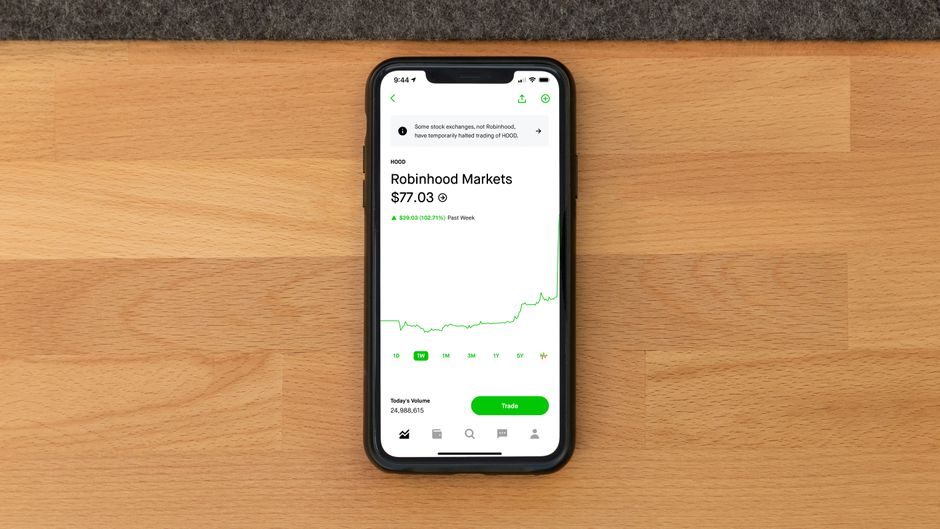
Choosing the right app
Match the app to your needs, whether budgeting, saving, or investing. Look for clear expense categories, reliable syncing, and strong security. A good app makes it easier to see real progress and adjust habits.
- Choose an app that fits your routine
- Keep data secure with strong login practices
- Review usage monthly to stay on track
Test a few apps with a free trial period to assess usability and reliability. Prioritize features such as bill reminders, goal tracking, and data export for tax records.
Protect your data by enabling two-factor authentication and using a unique password for financial apps.
- Evaluate budgeting vs investing features
- Prioritize security and ease of use
- Test before committing
- Regularly export data for records
A missing descriptive title in the second sub-section would detract from clarity. Provide a topic like “Automation and alerts” to maintain consistency and usefulness.
Automation saves time and reduces errors: set recurring transfers, bill reminders, and spending alerts. A well-tuned system helps you catch overspending before it harms cash flow.
Review permissions and integrations periodically to ensure only necessary data is shared.
Frequently asked questions
What is the best approach to building savings quickly?The strongest path combines automatic transfers with a clear savings target. Start with a modest amount that fits your budget, then increase when income grows. Track progress in one place and adjust the target if essential expenses change.
How can I reduce fees in my portfolio?Choose low-cost index funds or broad exchange-traded funds and minimize frequent trading. Compare fund expense ratios and use a single custodian to reduce account fees. Regularly review for better options as your balance grows.
Is it risky to start investing early?Early investing carries risk, but a diversified, long-term plan helps manage it. Start with a simple mix of funds aligned to your horizon, and avoid concentrating bets on single assets. Stay consistent with contributions regardless of short-term swings.
What should Bristol residents watch in local markets?Local economic shifts can affect wages, job security, and spending patterns. Track headlines for changes in tax policy, public services, and cost of living. Use these signals to adjust budgeting and savings targets.
Next steps for practical finance
Take one actionable step today, such as setting up automatic transfers to a savings goal or reviewing a debt payoff plan. This creates momentum and makes future steps easier.
Schedule a 15-minute review of your finances this week, focusing on the most impactful changes you can make now. Use a simple checklist to stay focused, and adjust as your situation evolves.
Add Bangladesh News as a preferred source on Google


