
Smart steps for personal finance when researching rooms abroad
A practical guide for readers budgeting for housing in the USA, with steps to evaluate costs, rent safely, and budget while exploring markets.

When you’re planning a move or a cost-conscious search, knowing how to evaluate housing abroad matters for your budget. This guide shows practical steps to compare rents, plan for upfront costs, and protect your money while researching rooms and property to rent in the USA. You’ll learn to quantify costs, verify listings, and choose options that align with your financial plan.
We’ll cover how to estimate monthly housing expenses, what documents lenders and landlords often expect, and how to use safe searching habits. The aim is to help you avoid surprises and keep your money moving toward essential goals like savings and debt repayment. Expect clear checks, real-world examples, and a plan you can adapt to your personal finances.
The methods here apply whether you’re renting temporarily or seeking a longer-term arrangement. They focus on transparency, realistic budgeting, and reliable verification steps. With the right approach, you can compare listings confidently and protect your financial health while you search.
- Budget first to cap housing costs relative to income.
- Evaluate listings with a critical eye to avoid scams and overpayment.
- Compare housing types by total monthly cost, not just rent.
- Use safe search practices and verify terms before signing.
Basics: starting with budgeting
Define your housing budget
Begin by listing all monthly costs tied to housing: rent, utilities, internet, and renter’s insurance. Use a simple worksheet to estimate each item and sum them to find your total limit. This helps you reject listings that push your budget beyond a comfortable margin. rooms and property to rent in the USA
- ☐ Set a total monthly cap you won’t exceed
- ☐ Include upfront costs in your plan
- ☐ Prepare a small cash buffer for initial weeks
Keep a ceiling in mind for security deposits and move-in costs, which can vary widely. Consider local taxes and any HOA or building fees that may apply. A realistic budget reduces stress and prevents overextending your finances.
- Estimate rent as a percentage of take-home pay
- Add 2-3 months of essential expenses as a cushion
- Account for transfer fees if moving funds internationally
- Remember non-rent housing costs like utilities and internet
Identify your must-haves
List non-negotiables early: location, proximity to work or school, public transport, safety, and space needs. Prioritize features that affect monthly costs, such as distance from core areas or energy efficiency. This helps you compare listings on a like-for-like basis.
Consider how long you plan to stay; a shorter term may favor shared rooms or suites, while a longer stay might justify a studio or small apartment. Understanding your timeline shapes the offers you pursue.
This sub-section focuses on turning preferences into a concrete search plan, keeping you disciplined and ready to negotiate.
- Location priorities (work, transit)
- Size and layout that fits your needs
- Energy efficiency or utilities included
- Security and lease terms
How to search safely and compare

Evaluate listings critically
Treat every listing like a financial offer: verify the price against similar properties in the area. Check for included utilities, maintenance terms, and any extra fees. A careful comparison helps separate genuine housing options from misleading posts. A useful resource on this topic: USA news.
- Ask for a viewing or a video tour if travel is hard
- Record all correspondence for disputes
- Avoid sending money before a formal agreement
Watch for red flags such as vague photos, inconsistent details, or pressure to move quickly. Contact the landlord with a clear set of questions and record responses. This reduces the risk of scams and poor deals.
This paragraph trains you to separate signal from noise, a key habit for protecting your money when searching from abroad.
- Compare rent, deposits, and fees across several listings
- Ask for recent utility bills or estimates
- Request official documents when possible
- Verify the listing’s ownership or management contact
Budget-friendly search tactics
Look for listings with included utilities or flexible lease terms that reduce upfront costs. Compare short-term options to long-term ones to see how staying longer affects the monthly rate. Small differences can add up over a year.
Use filters to target neighborhoods within reach of work and essentials, then widen gradually if needed. This helps you keep spending predictable while exploring options.
This approach helps you balance convenience against cost and avoids overpaying for features you don’t need.
- Filter by utilities included
- Compare month-to-month versus term leases
- Prioritize areas with shorter commutes
- Skip fees charged for late applications
Options: types of housing and how they cost
Common housing types in the USA
Apartments, shared units, and room rentals each carry different cost structures and requirements. Apartments may include amenities with higher monthly rent, while room rentals often lower the base price but require shared spaces. Understand what’s included to estimate true monthly costs. A useful resource on this topic: what's on in the USA.
Shared housing can offer affordability, but it means cohabitation rules and deposit terms differ from private units. Unpack every term in the lease so you don’t face surprise charges later.
This sub-section helps you map your finances to the real options available, rather than chasing the loudest listing.
- Apartment, studio, shared room
- Utilities included vs paid separately
- Lease length and deposits
- Amenities and access
| Option | Total monthly cost range | Key trade-offs |
|---|---|---|
| Apartment | High | Amenities and space vs flexibility |
| Shared housing | Low to moderate | Less privacy, shared spaces |
| Private room in a house | Low | Less control over environment |
Leases and what they cost you
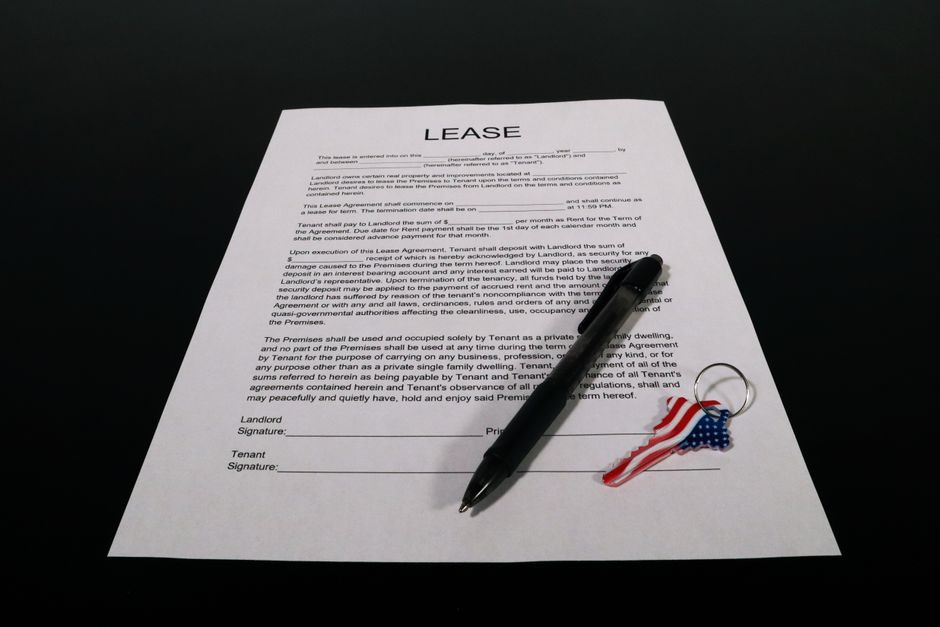
Read the lease with a focus on three elements: duration, security deposit, and penalties for breaking the lease. Ask about renewal options and rent increases tied to inflation or market rates. A clear contract protects your finances.
Negotiate lease terms where possible, especially if you’re staying for a fixed period. Landlords may agree to a lower security deposit or include utilities to secure a longer commitment.
This section shows how to turn a basic rental agreement into a financial plan that keeps your costs predictable.
- Duration and renewal terms
- Security deposit size and return rules
- Penalty and fee clarity
- Negotiation steps and realistic asks
Ask for a property inventory and photos dated within the last month, and insist on itemized charges for any extra services.
Financial safeguards while abroad
Legal checks before signing
When you’re abroad, start with a written rental agreement in your preferred language and verify it with a local attorney or a trusted consultant. Look for clear terms on deposits, notice periods, and what happens if repairs are needed. This upfront clarity prevents disputes that can derail your budget later. A useful resource on this topic: business directory in the USA.
Ask for a property inventory and photos dated within the last month, and insist on itemized charges for any extra services. Keep all correspondence in writing, including messages about repairs or late fees. This creates a record you can rely on if misunderstandings arise.
If you use a guarantor or co-signer, confirm their role and liability in writing, and understand how it affects your credit or local records. Have a backup contact in the country you’re visiting in case a problem arises.
- Request a bilingual contract to avoid misinterpretation
- Check for hidden fees like maintenance or utility charges
- Keep deposit receipts and transaction records
- Set expectations for timely repairs and communication
Tools and resources for renters
Trusted search platforms and checks
Use reputable platforms that include tenant reviews and landlord verification. Cross-check listings with local property portals or university housing boards to avoid duplicates or scams. This approach gives you a realistic sense of what a fair price looks like and what conditions are typical. post a funeral announcement in the USA
Create a checklist for each listing: location, safety, accessibility, and utility terms. Reach out with standardized questions about net rent, deposits, and what is included in the price. This keeps comparisons apples-to-apples and saves time.
Consider using a translator app for basic terms and a local friend or colleague to verify neighborhood safety and commute times. If a listing asks for money upfront, demand a formal invoice and a written rationale for the charge.
- Verify landlord identity
- Ask for a written payment receipt
- Schedule a video tour before meeting in person
- Keep a compare sheet for features and costs
Taxes and financial planning around housing
Tax implications of rent abroad
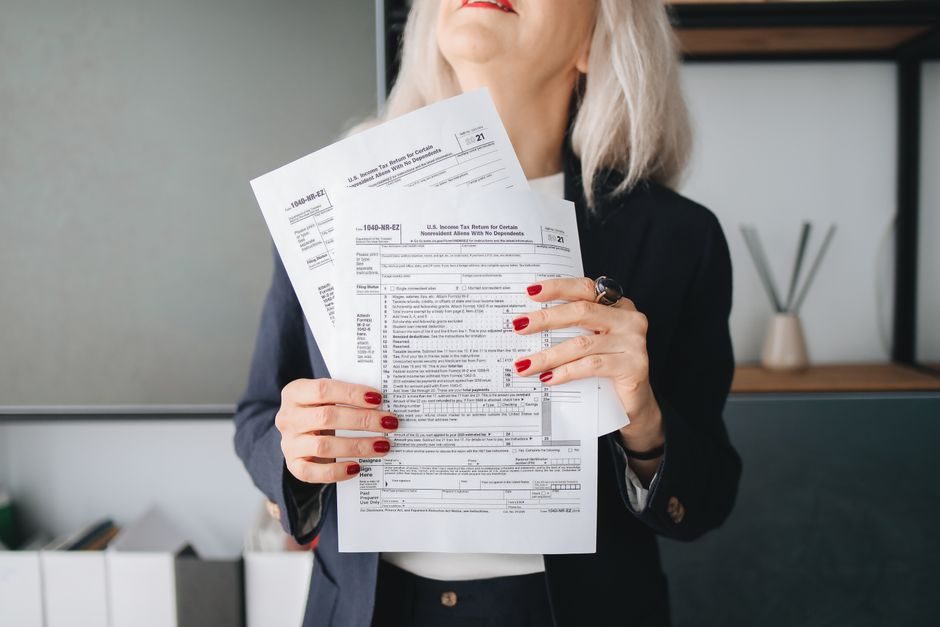
Renting in another country can affect your tax status, especially if you earn money or have income tied to the property. Check whether local taxes apply to renters and how foreign-source income is treated. This keeps your household budget accurate and prevents unexpected bills.
Understand whether you can deduct housing costs from your taxes at home or abroad, and whether international tax rules require you to file forms in more than one country. If in doubt, consult a tax professional who understands cross-border housing issues.
Plan for changes in exchange rates and rent escalations. Use a simple forecast to estimate future payments and keep a buffer for months when rates shift. This reduces surprise increases in your overall cost of living.
- Know filing requirements in your home country
- Track quarterly or monthly rent payments
- Estimate currency impact on your budget
- Keep receipts for all housing-related expenses
Common pitfalls and how to avoid them
Red flags and safe habits
Red flags include pressure to pay before seeing the property, vague rental terms, or requests to wire money to unfamiliar accounts. If anything feels rushed, pause and verify through independent channels. This cautious approach saves you from fraud and costly commitments.
- Verify identity and property ownership
- Use traceable payment methods
- Document every step of the process
- Confirm move-in dates and condition before keys
Always insist on a formal contract and a viewing with the landlord or agent present. If a listing insists on payment via untraceable methods, walk away and report the suspicious listing. This strengthens your protection and keeps your finances intact.
Document all interactions and keep a timeline of your communications. A detailed record helps you defend yourself if disputes arise over deposits, damages, or move-in dates.
- Avoid upfront payments to unknown recipients
- Request verifiable landlord contact details
- Never skip the contract and move-in inspection
- Keep a dated log of all communications
Frequently asked questions
What should I do first when researching rooms abroad?Start with a clear budget that covers rent and utilities, then verify listings through trusted platforms. Prepare a list of non-negotiables like location, safety, and access to transport. This gives you a focused set of options and avoids wasting time on unsuitable choices.
Is a written lease mandatory for international rentals?While requirements vary by country, a written lease is the strongest protection for both parties. It documents the terms, deposits, and move-in conditions, and reduces ambiguity if disputes arise. If a landlord pushes for informal terms, proceed with caution or seek local guidance.
How can I protect deposits from abroad?Use an official agreement with a dated inventory and receipts. If possible, use an escrow or rental trust to hold funds until move-out. Request clear, itemized deductions and a timeline for returning the deposit.
What costs beyond rent should I expect?Utilities, internet, and sometimes maintenance fees or parking can add significantly to monthly costs. Ask for a breakdown of what’s included in the rent and what you’ll pay separately. Build your budget with a margin for these recurring charges.
Conclusion: Next steps for confident renting abroad
With budgets set and processes in place, you can evaluate rooms abroad without overextending your finances. Focus on verified listings, clear contracts, and a simple plan for currency and tax questions. The aim is steady housing costs that you can predict every month.
Take a practical, slow approach: confirm identity, keep records, and test assumptions with a small, initial payment only after a formal agreement. A disciplined process protects both your money and your time, especially when dealing with unfamiliar markets.
Add Bangladesh News as a preferred source on Google


