
What Is Cultural Tourism? A Bangladesh Traveller’s Guide
Learn what cultural tourism means in Bangladesh, how to choose respectful heritage and arts experiences, and how to plan a practical route around local sites an

Cultural tourism means travelling to understand a place through its history, heritage, traditions and creative life. In Bangladesh, that could mean visiting an archaeological site, attending a local arts event, learning about a craft or exploring a historic neighbourhood. The aim is more than seeing attractions: it is to engage thoughtfully with the people and practices that give them meaning.
The best experiences depend on your interests, the site’s arrangements and the time available. Check opening information before travelling, learn what visitors may photograph or join, and consider how your visit supports local custodians, artists and communities.
Use the guide below to compare ways of exploring Bangladesh’s culture and plan visits with care. A little preparation can make the difference between simply passing through a place and understanding why it matters.
- Cultural tourism explores a place through its heritage, traditions, arts and everyday life.
- Choose experiences that match your interests, confirm access and learn from local hosts.
- Respect site rules, ask before taking photographs and recognise the work of cultural contributors.
- Group nearby visits, verify event details and leave flexibility in your itinerary.
What Cultural Tourism Means in Bangladesh
Culture Beyond Monuments
Cultural tourism includes experiences that help visitors understand how a community’s history and present-day life connect. In Bangladesh, heritage sites are one part of that picture, alongside literature, music, visual arts, crafts, religious observances and everyday foodways. A visit can focus on a single subject or bring several together through a neighbourhood walk or local event.
The category covers both tangible heritage and living culture. Tangible heritage includes historic buildings, archaeological remains, museums and objects; living culture includes skills, performances, celebrations and oral traditions. These are not separate worlds: a craft demonstration, for example, may explain how materials, local livelihoods and inherited knowledge meet in a contemporary practice.
A cultural visit does not need to be formal or expensive to be meaningful. Listening to a knowledgeable guide explain a historic street, attending a public performance or visiting a community-run craft space can offer context that a quick photograph cannot. Ask what makes the place or practice significant to local people, rather than treating it as scenery.
Why Local Context Matters
The same building, ritual or artwork can carry different meanings for people who live nearby and visitors encountering it for the first time. Local context helps explain why a site was built, how it has changed and what care it needs today. Without that background, a visitor may miss its significance or misread what they see.
Cultural tourism can also direct attention and spending towards guides, artists, craftspeople and cultural institutions. The benefit depends on how an experience is organised, so ask who leads it and whether the people sharing their knowledge are recognised and paid. Choose locally informed interpretation over a presentation that reduces a community to a fixed set of customs.
Respectful curiosity is more useful than assuming every tradition is open to visitors. Some events are public, while others are private, sacred or governed by community protocols. Follow posted guidance, listen when hosts set limits and accept that observation may be welcome even when participation or photography is not.
How to Choose a Cultural Experience
Match Visits to Your Interests
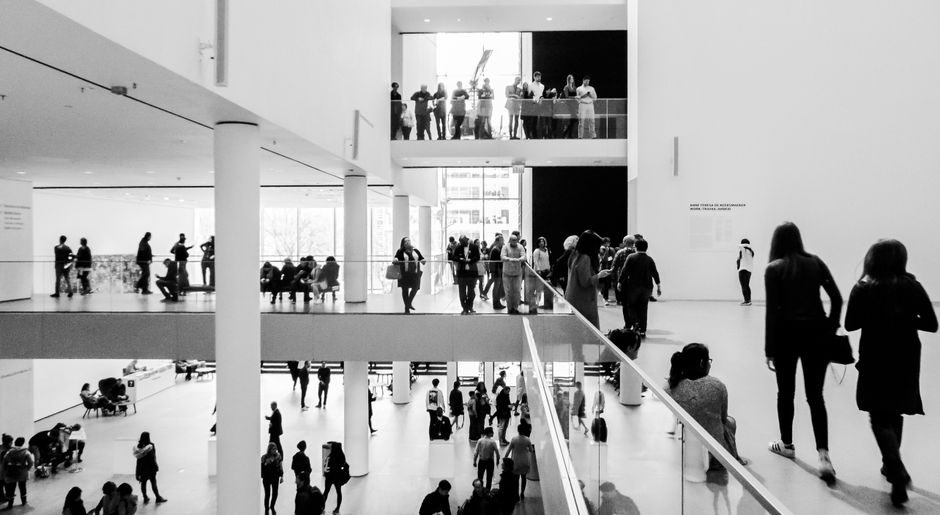
Choose an experience by starting with what you want to understand, then check what is available at your destination. A visitor interested in architecture might prioritise historic buildings and museums; someone drawn to performance could look for public music, theatre or dance events. This simple match helps you spend time on experiences that hold your attention.
Look for practical details before committing: location, opening arrangements, language, accessibility, expected duration and whether advance contact is needed. For a community visit or workshop, find out if visitors are welcome on the day you plan to go. When information is unclear, contact the organiser rather than relying on assumptions or old listings.
Organizations introducing cultural experiences can use buy sponsored posts to share useful visitor information with a relevant audience, but travellers should still check dates and access directly with the host. Treat promotional material as an introduction, not a guarantee that an event is current or open to everyone. Confirm arrangements before setting out.
- Choose one clear interest, such as architecture or craft.
- Check access, opening arrangements and language.
- Contact the host when visitor access is uncertain.
- Confirm event details close to your visit.
Assess Access and Local Benefit
A well-run experience makes its purpose and visitor expectations clear. Look for information about who leads the activity, what you will learn and whether any part of the visit is restricted. A local guide or cultural organisation can often explain details that a general destination listing leaves out, including respectful conduct and suitable clothing.
Consider how the visit affects the people and place involved. Prefer activities that recognise local knowledge, explain where fees go or involve community members in decisions. This does not require a formal label of responsible tourism; clear communication, fair treatment of contributors and respect for local rules are useful signs to look for.
If you represent a cultural organisation, make visitor information accurate and practical so people can decide whether an experience suits them. A clear description should explain the activity, access arrangements and any limits on photography or participation. Avoid promising intimate access to traditions that hosts have not agreed to share.
Ways to Explore Heritage, Arts and Traditions
Explore Places and Collections
Historic sites, museums and heritage buildings offer a useful starting point for understanding Bangladesh’s past. Read interpretive displays, take time to notice how a site is arranged and ask a guide about changes in its use over time. If you are visiting a place with limited signs, a locally informed guide can provide essential context.
- Use local interpretation to understand a site.
- Follow care and photography rules.
- Choose a visit that supports cultural knowledge.
Cultural organisations can also explain their work through accessible articles and visitor information; a guest post marketplace can help them find publishers whose readers care about heritage and travel. For visitors, the practical lesson is to seek explanations from sources connected to the place. Compare what you read with information provided by site staff or local custodians.
Treat heritage spaces as places that need care, not as props for photographs. Stay on visitor routes, do not touch fragile surfaces or objects unless invited, and follow restrictions on photography. If a building remains in religious or community use, observe quietly and give worshippers and residents room to carry on with their activities.
- Read site interpretation before or during a visit.
- Ask a local guide about changes and community use.
- Follow routes and photography rules.
- Give residents and worshippers space.
| Option | What it offers | Visitor approach |
|---|---|---|
| Historic site or museum | Context on place and history | Read displays and follow site rules |
| Performance | A live art form | Check audience guidance and arrive on time |
| Craft workshop | A view of skill and process | Ask before handling tools or materials |
| Guided neighbourhood walk | Local stories and built heritage | Listen and respect residents’ privacy |
Meet Living Creative Traditions
Performances, craft demonstrations and workshops let visitors encounter culture as a practice rather than a display. Look for public events or activities where organisers explain what visitors can watch, ask or try. A short conversation with an artist or craftsperson can add insight, provided you respect their time and do not interrupt work.
Bangladesh’s creative life spans many forms, including music, theatre, literature, visual arts and handwork. Choose an event that fits your interests and check whether it is intended for general audiences. At a performance, arrive in time to settle quietly; at a workshop, follow the host’s directions and ask before handling materials or tools.
Buy crafts only when you understand what is being sold and how the maker or seller is involved. Ask about materials and process in a courteous way, and accept that some knowledge may not be shared publicly. Avoid bargaining in ways that dismiss skilled labour, and do not photograph artists or their work without permission.
Group cultural visits by area so that travel does not consume the time you want to spend learning.
Planning a Route Around Local Sites and Events
Build a Manageable Itinerary
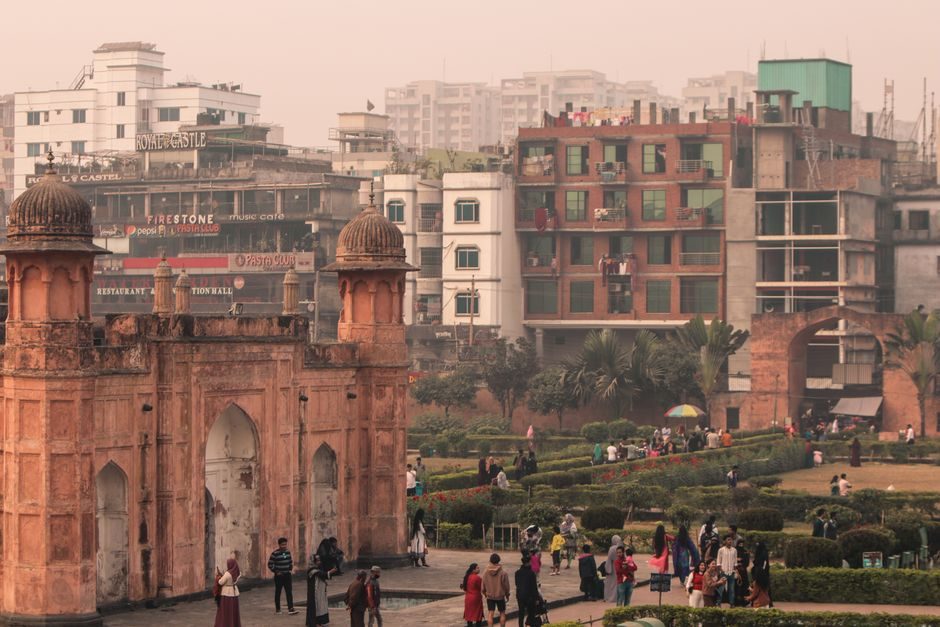
Group cultural visits by area so that travel does not consume the time you want to spend learning. Choose a main site or event, then add one nearby museum, historic place or arts activity if opening arrangements allow. Leave room for delays and rest; a crowded itinerary can turn meaningful encounters into rushed stops.
Check current transport conditions and venue information before setting out, especially when your plan depends on a timed performance or a site with limited access. Ask a local host or reliable local source about the best sequence for nearby visits. Keep a flexible alternative in mind in case weather, traffic or a schedule change affects your plans.
Tourism bodies announcing cultural events may use press release distribution uk to reach media outlets beyond Bangladesh, but travellers should verify event details with the local organiser. For your route, note the venue, start time, access arrangements and contact information in one place. This makes it easier to adjust if an event moves or changes.
- Group nearby visits to reduce unnecessary travel.
- Build the day around one main site or event.
- Check access and schedules before departure.
- Keep an alternative for disruptions.
Prepare for On-Site Etiquette
A little preparation helps you arrive ready to follow local expectations. Check whether the site is religious, residential or actively used by a community, and dress and behave accordingly. Keep your voice low where people are praying or working, and follow any directions from staff, hosts or local custodians.
Ask before photographing people, performances, private spaces or objects that may be sensitive. Permission to enter a site does not automatically mean permission to take pictures or share them publicly. If someone declines, put the camera away without pressing for a reason; respecting that boundary is part of a responsible visit.
Carry the contact details and directions you need, and allow time to ask questions without holding up others. If you do not understand a rule, ask politely or observe what the host recommends. Leave the place as you found it, dispose of rubbish properly and avoid taking materials or objects as souvenirs.
Respectful Visits to Communities and Sacred Places
Ask Before You Photograph
Ask permission before photographing people, homes, ceremonies or private work. A visitor may see a lively scene, but residents may understand it as a family occasion or a sacred moment rather than a public performance. If someone declines, put the camera away without pressing for an explanation.
- Do not photograph people without permission; ask first and respect a refusal.
- Do not enter restricted sacred areas; check with a caretaker before proceeding.
- Do not treat daily work as a free performance; agree on the visit and any payment.
At a shrine, mosque, temple or monastery, check posted guidance or ask a caretaker about clothing, footwear and areas that visitors may enter. Rules can differ between sites, and a space open to worshippers may not be open to photography or sightseeing. Follow local direction even when other visitors appear to ignore it.
When meeting craftspeople or community hosts, agree on what a visit includes before it begins. Ask whether demonstrations are planned, whether payment is expected and whether visitors may handle materials. A clear conversation prevents misunderstandings and lets residents decide how much of their daily life they wish to share.
Respect Local Customs
Dress modestly when visiting religious or community sites, and carry a scarf or other covering if local guidance calls for one. Remove shoes where signs or hosts indicate, and keep your voice low during prayer or ceremonies. These simple actions show consideration without requiring visitors to know every local custom.
Accept food, tea or conversation graciously, but do not assume that an invitation permits unrestricted access. Ask before entering a home, joining a ritual or touching objects used in worship. A host’s welcome applies to the activity they offered, not automatically to every room, person or moment.
Organizations coordinating outreach across several publishers may find white label link building useful for managing that work under their own brand. For travellers, the central principle is simpler: let local people set the terms of an encounter. Listen carefully, avoid demanding access and leave when a host or caretaker signals that a visit is over. This helps make cultural exchange reciprocal rather than extractive.
Sharing Reliable Information About Cultural Attractions
Check Details at the Source
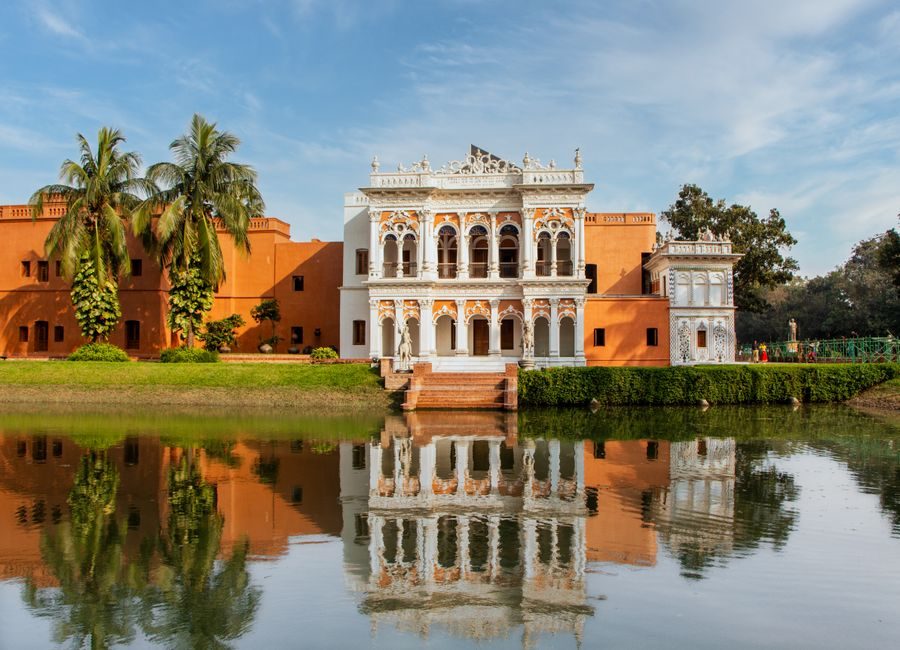
Confirm opening arrangements, access rules and event schedules with the attraction or its responsible authority before setting out. Public holidays, religious observances, conservation work or local events can affect access, and old travel posts may not reflect current conditions. A direct check can prevent a wasted journey and help you arrive at an appropriate time.
Treat claims about a site’s history as claims to verify, especially when different accounts describe its age, purpose or community significance differently. Look for information from museum staff, site authorities, local cultural organizations or published interpretation on location. When sources disagree, describe the disagreement rather than presenting one version as settled fact.
A guest posting service can help a heritage site present background and visitor guidance in travel-focused publications. For travellers, compare that material with the attraction’s own notices before relying on practical details such as entry arrangements or photography rules. Promotional writing can introduce a place, but clear sourcing and current local guidance are better for making decisions on the day.
Share Context With Care
When recommending a cultural attraction, explain what visitors can actually see and what kind of visit is appropriate. Distinguish a museum display from an active place of worship, or a scheduled performance from an informal community gathering. This context helps others choose respectfully and prevents expectations that residents must perform for visitors.
Use names and descriptions that local institutions or community representatives use, and avoid turning complex traditions into broad labels. If you are unsure about a practice, say so rather than guessing at its meaning. A careful caption or conversation can convey curiosity without presenting a personal impression as authoritative history.
If you post photographs, remove identifying details when a person has asked for privacy and avoid sharing information that could expose a sensitive location. Include practical notes only when you have checked them, such as whether visitors should remove shoes. Thoughtful sharing can help other travellers prepare while preserving the dignity and context of the people pictured.
Common Pitfalls When Planning a Cultural Trip
Avoid Rushed Assumptions
Do not assume that every cultural attraction follows a fixed timetable or offers the same experience each day. A workshop may be busy with ordinary orders, a museum may have limited visiting hours, and a ceremony may be private. Contact the venue or host in advance, then keep your itinerary flexible enough for local circumstances.
- ☐ Confirm opening hours and access with the site.
- ☐ Check transport options for the final leg.
- ☐ Allow time for delays between stops.
- ☐ Ask whether an event is public or private.
Avoid packing distant sites into a schedule without checking travel time and transport connections. A short map distance can still involve slow roads, transfers or a wait for local transport. Choose fewer stops with enough time at each, particularly when the purpose is to speak with guides, understand exhibits or attend an event.
A tourism organization looking for marketing support can consult an seo agency directory when researching agencies. For planning a trip, however, focus on sources that can confirm local access and transport, rather than assuming a promotional listing answers practical questions. Check the route, ask about the last leg and build in time for delays before committing to a visit.
Plan Around Local Realities
Do not treat a festival or religious gathering as a tourist show; it may be crowded, restricted or primarily intended for participants. Find out whether visitors are welcome and what conduct is expected before travelling. If guidance is unclear, choose a public cultural programme or museum visit instead of arriving uninvited.
Avoid assuming that one person’s account represents an entire region, religion or community. Traditions can vary between neighbourhoods and families, and a guide may be describing a particular viewpoint. Ask open questions, listen to local explanations and be cautious about repeating sweeping claims in conversation or online.
Do not rely on informal promises about access, transport or a demonstration without confirming who is responsible for the arrangement. Clarify the meeting point, timing and any expected contribution with the host or venue. Keep a backup activity nearby in case plans change, and do not pressure anyone to continue if circumstances make the visit inconvenient.
Practical Tips for a More Meaningful Visit
Prepare Before You Go
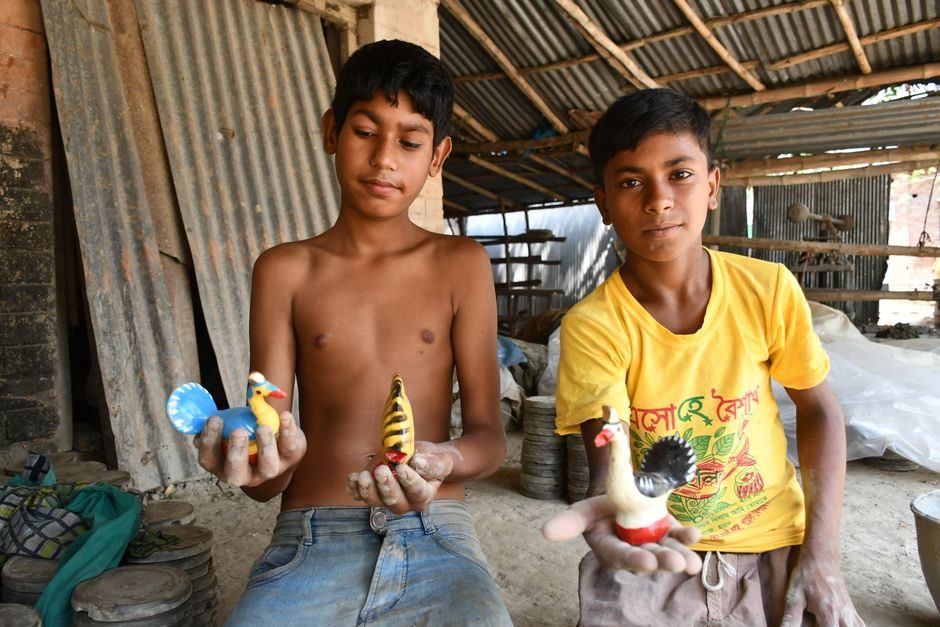
Choose one or two questions about the place before arrival, such as how an exhibit was assembled or what a craft technique involves. Read the site’s own introduction first, then use your visit to notice details that a brief description cannot convey. This gives conversations a focus without turning a guide or resident into an examiner.
- Check current access and local rules.
- Prepare suitable clothing and essentials.
- Arrive with time to listen and observe.
- Thank hosts and follow their directions when leaving.
Carry what the setting requires, including water for a long outdoor visit and clothing suitable for a religious site, while keeping belongings manageable. Check whether the venue allows food, bags or photography, and follow any restrictions. For a rural or less formal visit, confirm meeting arrangements and avoid assuming that facilities will be available.
Set aside time to read labels, watch a demonstration and speak with a guide rather than rushing from one photo opportunity to another. If a question concerns a sensitive practice, ask whether it is appropriate to discuss before raising it. Leave room for pauses; a quieter visit often reveals how a place is used beyond its appearance.
Make Time for Reflection
After a visit, note the details you learned and distinguish them from your own impressions. For example, record what a guide explained about an object separately from how its design made you feel. This habit makes later recommendations more accurate and helps you remember questions to check before sharing information.
Support local cultural work in ways the host or institution identifies, whether that means paying an admission fee, buying directly from a craftsperson or following a donation process. Ask about an item’s maker and materials rather than bargaining aggressively. A purchase is not required, but fair dealings respect the labour behind a cultural experience.
Before leaving, consider whether your visit followed the rules and whether your photographs or posts preserve people’s privacy. Thank guides, caretakers and hosts, and ask whether they want their names or work credited if you plan to share it. A meaningful visit is not measured by how much you collect, but by how attentively you engaged with the place.
Frequently asked questions
Is cultural tourism suitable for a short trip in Bangladesh?Yes. A short trip can focus on one museum, historic site, craft workshop or cultural performance rather than trying to cover several regions. Check current access details, travel time and whether an event is open to visitors. A focused visit gives you more time to understand what you are seeing and reduces the risk of arriving when a site is closed or a gathering is private.
How can I find cultural experiences led by local people?Start with visitor information from museums, heritage sites, cultural organizations and local tourism offices, then ask who leads or hosts an activity. Confirm what the visit involves, whether it is scheduled and whether payment is expected. Local guides and craftspeople can offer useful context, but respect their time and do not assume that every person is available to provide an informal tour.
Should I buy crafts during a cultural visit?Buying is optional, and a visit can be valuable without making a purchase. If you are interested in an object, ask who made it, what materials were used and whether the seller is the maker or a retailer. Pay fairly, avoid pressuring someone over a small price difference and check any rules about carrying cultural objects before buying items that may be regulated.
What should I do if local rules are unclear?Pause and ask a caretaker, guide or host before photographing, entering a space or joining an activity. If nobody responsible is available, take the more cautious option: do not enter restricted areas, interrupt worship or publish identifiable images without permission. You can also choose another public attraction and seek clarification later through the venue’s official contact or visitor information.
Make Respect the Centre of the Visit
Cultural tourism in Bangladesh can include heritage sites, museums, religious places, crafts, performances and everyday creative life. The best experience depends on more than choosing an attraction: check current information, understand what is public, and let local hosts guide your conduct. Careful questions, fair dealings and attention to privacy make it easier to learn without treating people or traditions as scenery.
For your next outing, select one place that interests you, confirm its access and visitor rules directly, and allow enough time to listen rather than rush. Prepare a question, ask before taking photographs and follow local guidance throughout the visit. These small choices give you a clearer understanding of Bangladesh’s cultural life and help ensure that your presence is welcome.
Add Bangladesh News as a preferred source on Google


